Weaning Off the SNOO: Moving Baby From Motion to Crib
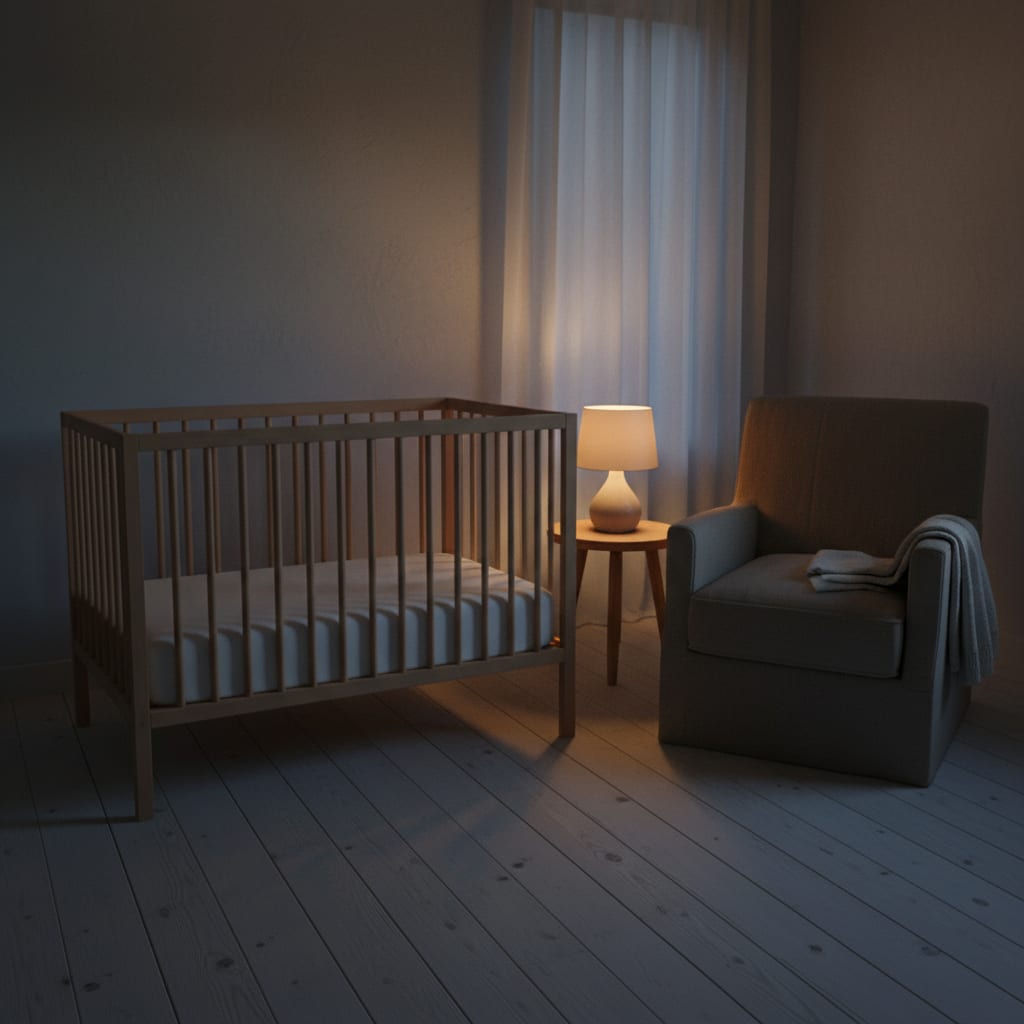
Weaning a baby off the SNOO happens in three steps, in this order. First, free her arms, one at a time. Next, run the bassinet in Weaning Mode, with sound but no motion unless she cries, for about one to two weeks. Then move her to a crib, keeping the same bedtime routine. Happiest Baby, the maker, suggests starting at around 5 to 6 months. The hard deadline is 6 months or the moment she can get up on her hands and knees, whichever comes first. If she hits that milestone early, the transition happens early, ready or not.
The limits come from the maker, not the calendar
Self-rocking bassinets have their own rules, and the manufacturer’s page is the only place to get them. For the SNOO, Happiest Baby’s product page says: “Use SNOO up to 6 months of age, or until your baby can get up on the hands and knees. Only use SNOO with the SNOO Sack, our special swaddle built for SNOO.” The same page describes it as “for babies 0-6 months old who cannot roll over consistently.” On size, Happiest Baby’s crib-transition guide says the bassinet was “designed to comfortably fit a baby up to 25 pounds.”
So watch three things: age, weight and the milestone. A baby who pushes up onto her hands and knees at five months has reached the end of the SNOO, even if your plan said six. Other rocking bassinets have their own limits, so check their manuals.
Happiest Baby’s guide also warns against weaning too early. It says parents who move a baby at 3 or 4 months “often find their baby does well initially…only to have their sleep disrupted by a sleep regression or a growth spurt.” Its recommendation is to wait until 5 or 6 months. Betteroo’s even-handed look at the machine itself makes the same point from the other side: the SNOO’s window closes right around the age when sleep often gets harder anyway.
Step one: free the arms
Inside the SNOO, your baby wears a swaddle that clips to the bed. That’s how the design keeps her on her back. A crib doesn’t work that way. The AAP’s safe sleep guidance says that “when your baby looks like they’re trying to roll over, you should stop swaddling them,” because the suffocation risk is higher if a swaddled baby rolls onto her stomach. So her arms have to be free before she ever sleeps in the crib, and it’s kinder to practise that while she’s still in a bed she knows.
Happiest Baby’s method: undo the shoulder snaps on one side and let one arm out. “Start with just one arm free and see how your baby sleeps.” After a few good nights, free the other arm.
What it tends to feel like: a few rough nights. A free arm moves in her sleep and can startle her awake. Happiest Baby’s own guide says that before about 3 to 4 months babies “bonk themselves awake a lot” because they lack control of their arms. Happiest Baby’s advice if she keeps waking herself: “Simply go back to both arms swaddled and try one-arm-out again in a week.” That’s a pause, not a failure.
Step two: turn on Weaning Mode
Once she sleeps well with both arms out, the motion goes. Happiest Baby describes Weaning Mode as giving “soothing sounds—but no motion—all sleep long.” Motion only comes back if she cries. Then the bassinet responds as usual until she settles, and drops back to sound only. The maker suggests keeping this up “for about one to two weeks, so your baby can get used to sleeping in a still bed.”
This is the real weaning step, because the motion is what she’s losing. Expect more wake-ups for the first few nights while she adjusts. A run of nights where the bassinet barely has to rock means she’s ready to move on. If the motion still fires every night after two weeks, stay put a little longer, within the limits above.
If she also only naps with movement during the day, baby only sleeps in the sling covers motion dependence from the carrier side.
Step three: the still crib
After a week or two of good sleep with arms free and no motion, she has already done the hard part. The crib is mostly a new place, not a new skill.
What helps:
- Keep the bedtime routine identical. The same order, the same light, the same words. The routine is what tells her it’s time to sleep, and it comes with her.
- Keep the same sound, placed carefully. Happiest Baby recommends keeping white noise for naps and nights. The AAP is more cautious about sleep machines. It warns that “some machines can produce hazardous noise levels” and advises placing one “as far away from the baby’s head as possible.” So if you use a machine like the Yogasleep Dohm, put it across the room, keep it low, and raise the all-night question with your pediatrician. Baby wakes at every siren goes into that tension in detail.
- Use a wearable blanket, arms out. A sleep sack keeps her warm without loose bedding. A plain cotton one like the HALO SleepSack in size medium is the usual worked example. The AAP says not to use weighted blankets, sleepers or swaddles.
- Change one thing at a time if you can. The AAP recommends sharing a room with your baby “for at least the first 6 months of life.” If the crib is also a move into a new room, consider moving the crib into your room first, so she isn’t learning a still bed and a new room on the same night.
Because the motion was already gone, the crib itself is a smaller change than it looks. Expect a few unsettled nights in a new place, and give it about a week before deciding it isn’t working.
What not to do
- Don’t replace the bassinet’s motion with something else that moves. The AAP says that if a baby falls asleep in “a car seat, stroller, swing, infant carrier or sling,” you should move her to a firm sleep surface on her back as soon as possible. A swing isn’t a crib substitute.
- Don’t add anything soft to make the crib feel cozier. The NIH’s Safe to Sleep campaign says the safest crib is firm, flat, level and “covered only with a fitted sheet.” No bumpers, pillows, blankets or soft toys.
- Don’t keep using the SNOO past the limits because the crib nights are rough. They’re the maker’s safety boundaries, not suggestions.
When the transition is really about something else
Sometimes the weaning goes smoothly and nights still fall apart, because a lot else changes around six months. If she settles in the crib but wakes every time you leave, see baby wakes when you leave the room. If she seems sick or in pain, call the pediatrician rather than pushing on.
The SNOO was doing two jobs: settling her, and setting the rhythm of her nights. Weaning takes away the first. The second, meaning when she naps, how long she’s awake and when bedtime falls, is now up to you. Betteroo is a personalized sleep app that builds that timing around your baby’s age and her actual days. Its comparison of a plan with a device explains how the two approaches differ.
 The rocking stopped. Now what?
Betteroo builds a personalized nap and bedtime plan around your baby's age and how her days actually go, for life after the bassinet.
Take the free sleep quiz →
FAQ: weaning off the SNOO
When should I start weaning my baby off the SNOO?
Happiest Baby recommends starting at around 5 to 6 months. Start sooner if she can get up on her hands and knees or is nearing the size limit, because those end SNOO use regardless of age.
How long does SNOO weaning take?
Usually a couple of weeks or so: a few nights for each arm to come out, then about one to two weeks in Weaning Mode before the crib. Some babies need longer at a step, which is fine within the maker’s limits.
What does Weaning Mode do?
It keeps the sound on but turns the motion off. Motion only comes back if your baby cries, then drops away again once she settles.
Can my baby be swaddled in the crib after the SNOO?
Not once she shows signs of rolling. The AAP says to stop swaddling at that point. Use a wearable blanket with her arms free instead.